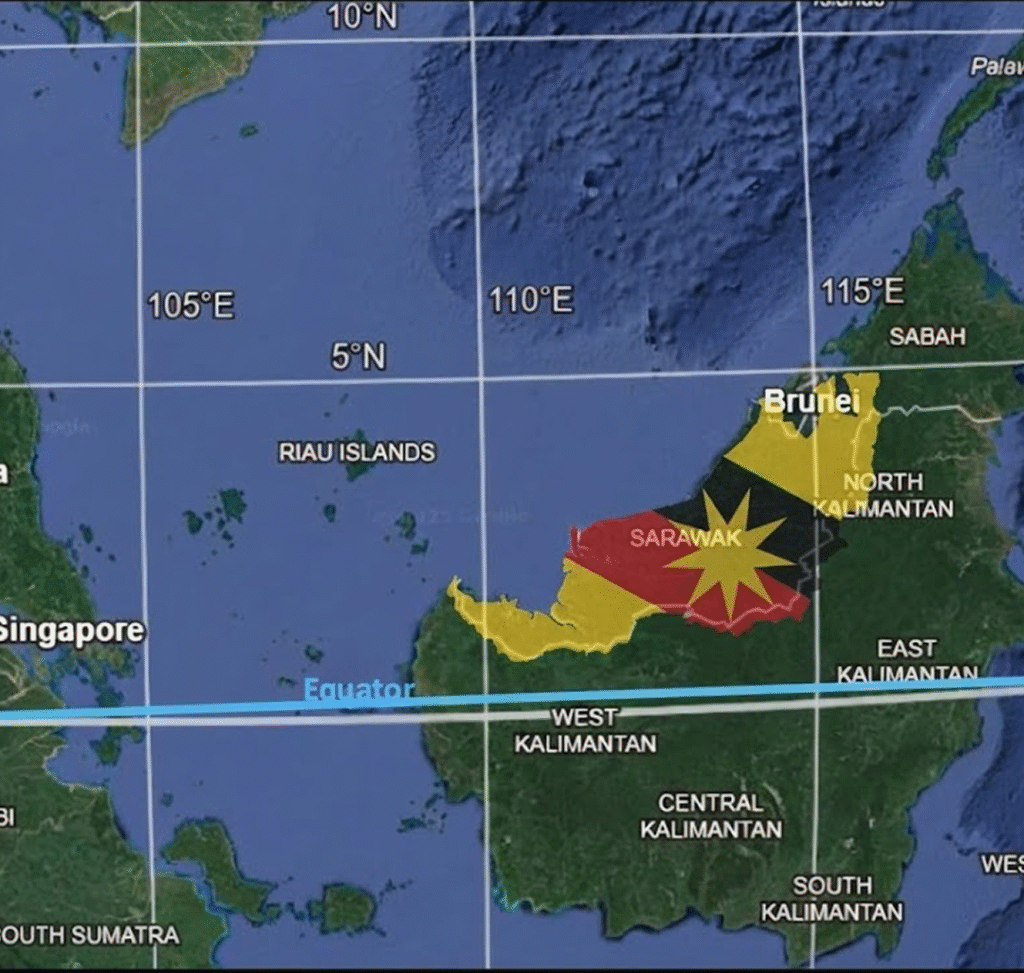
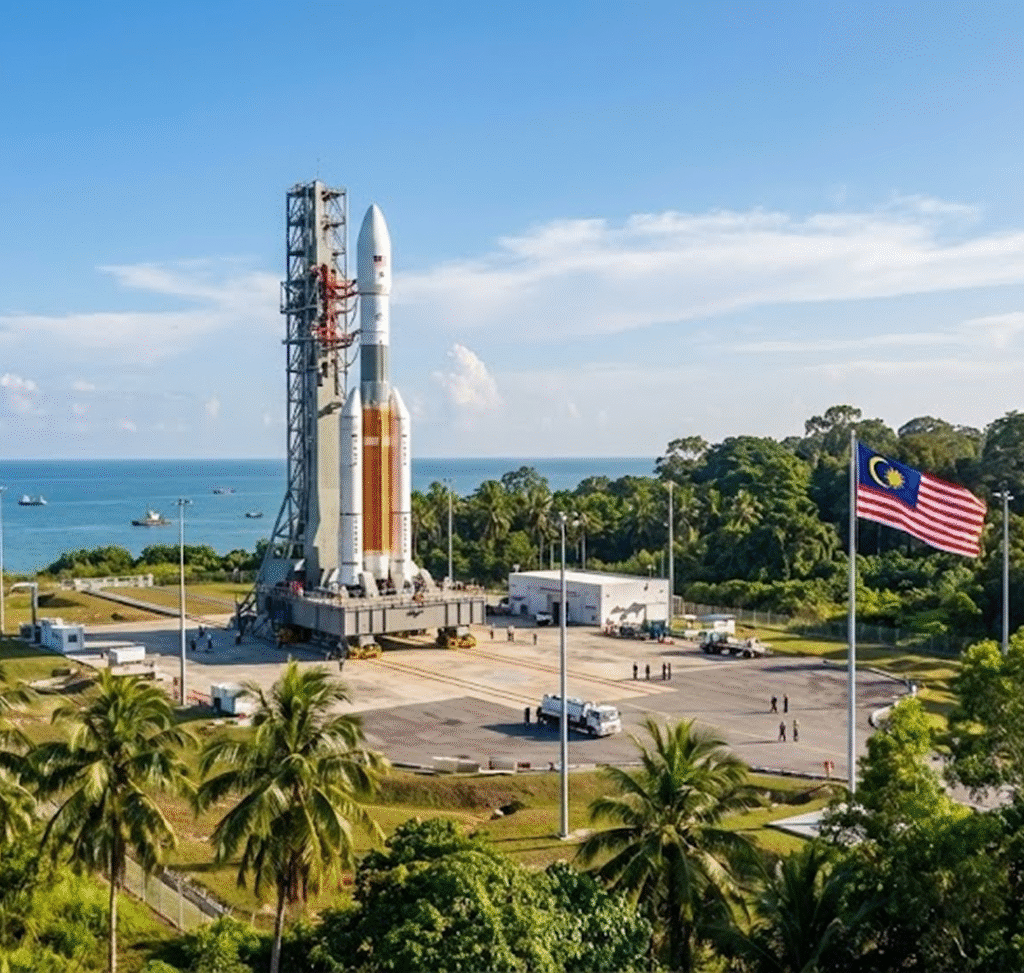
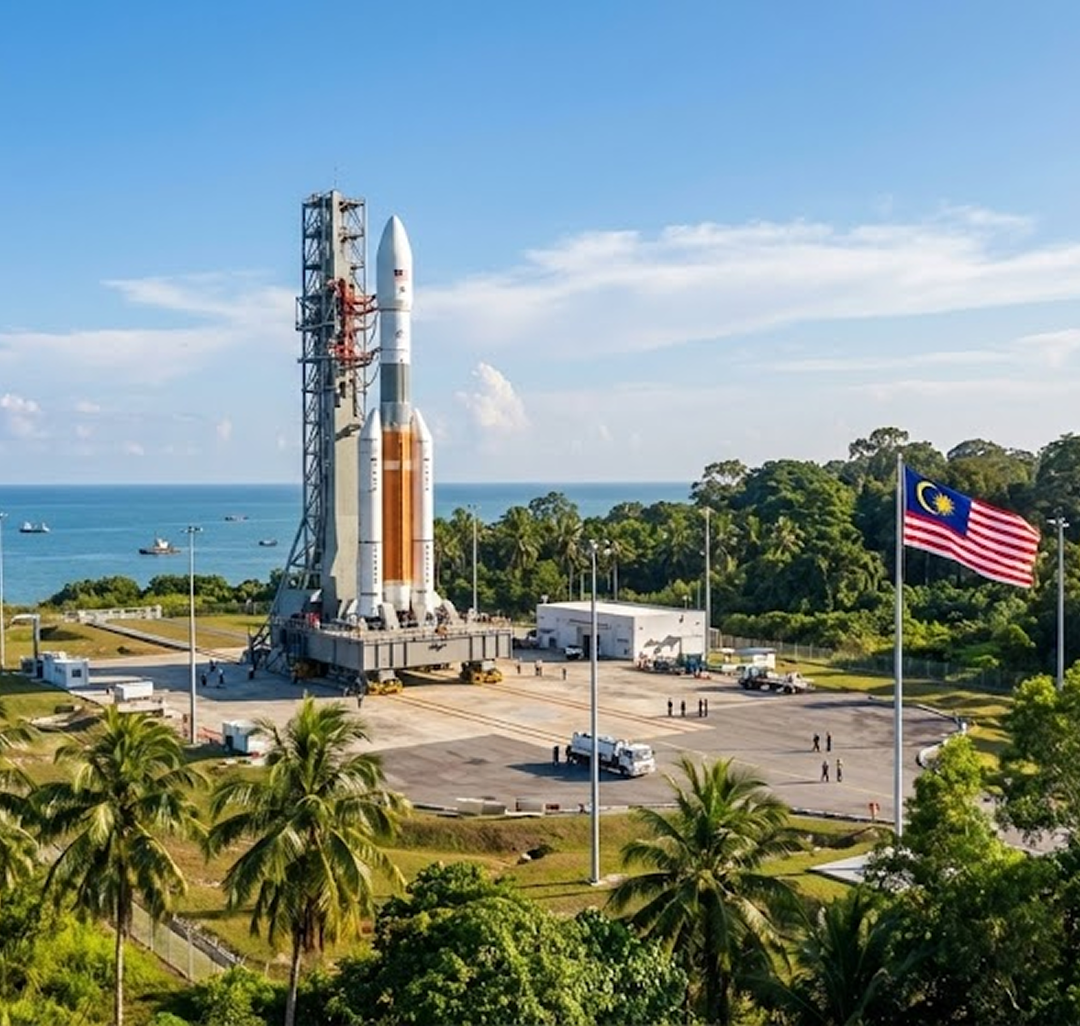
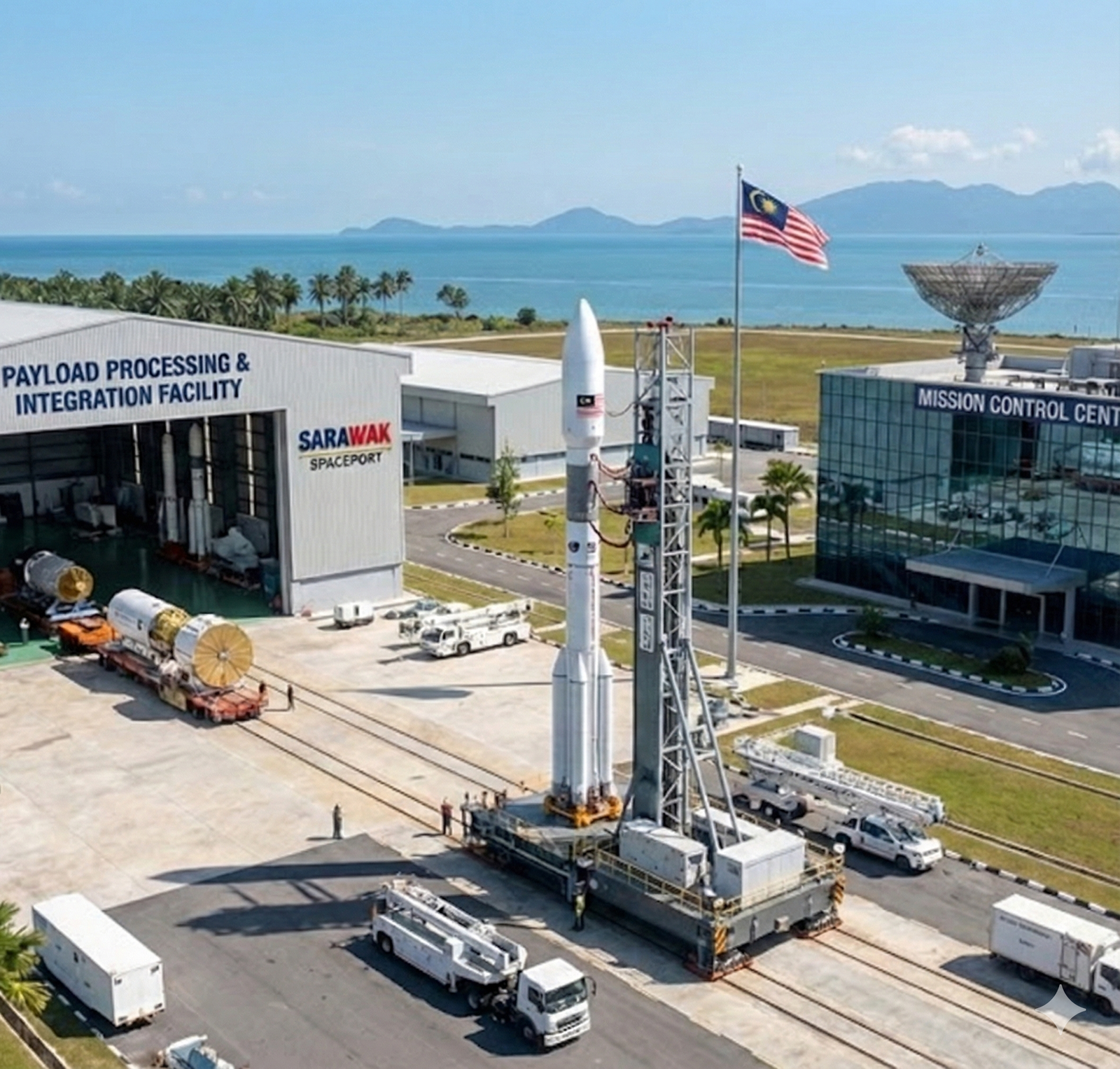
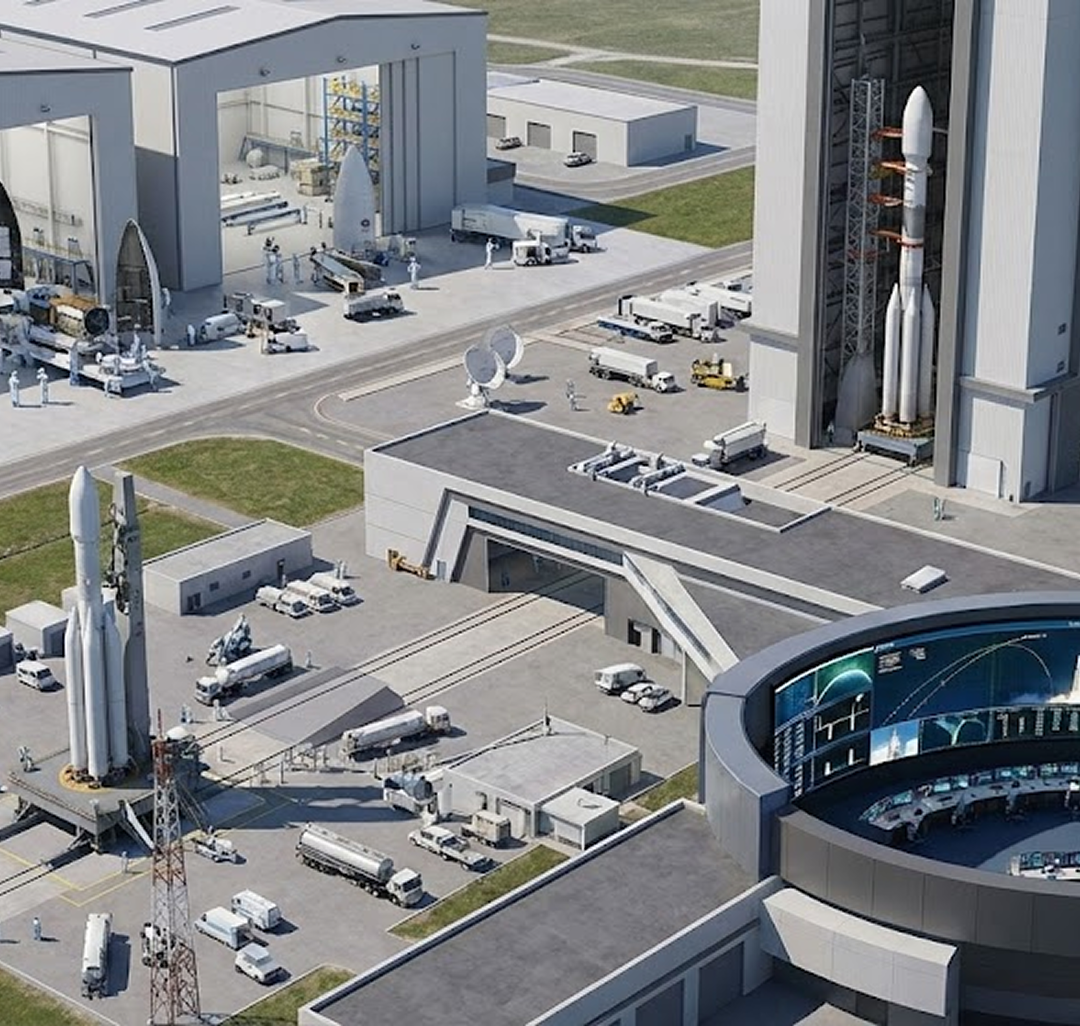
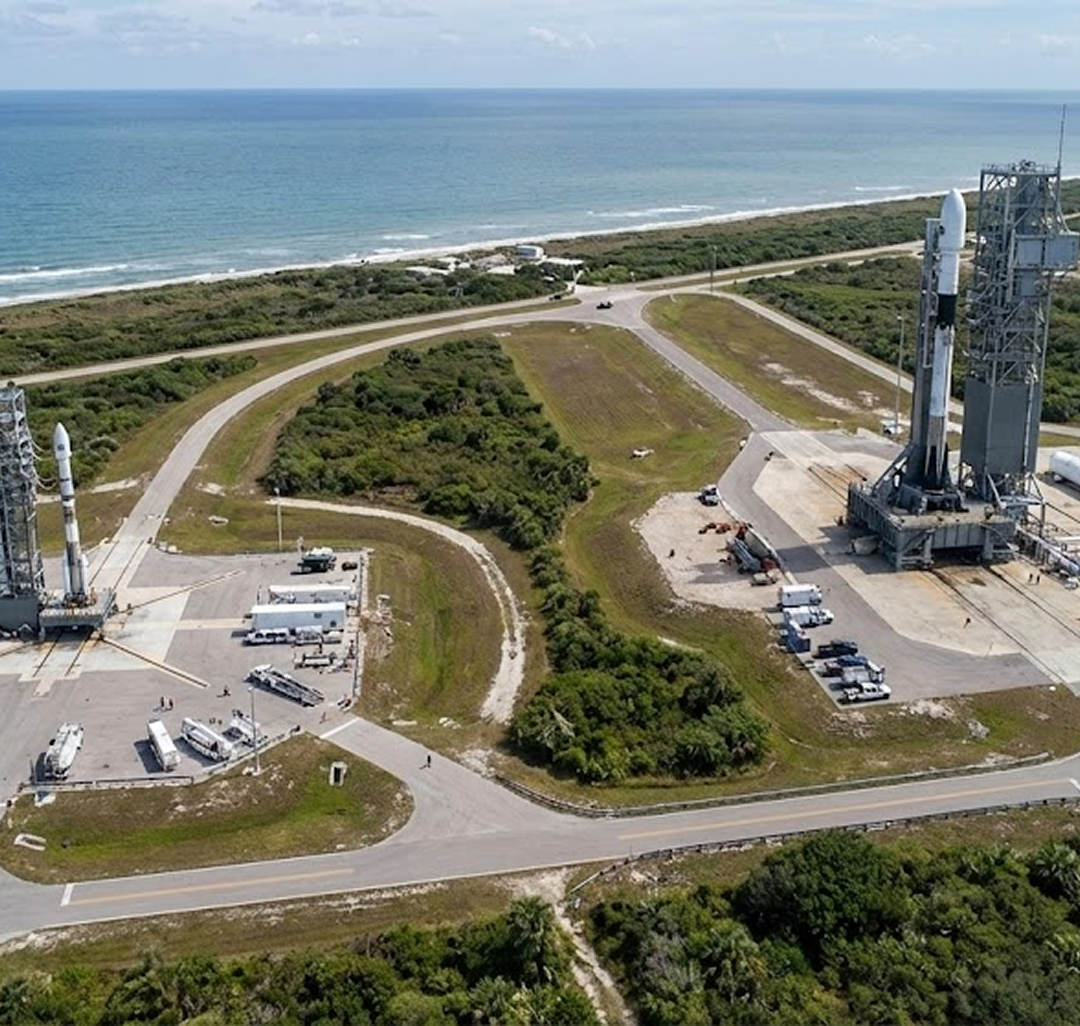
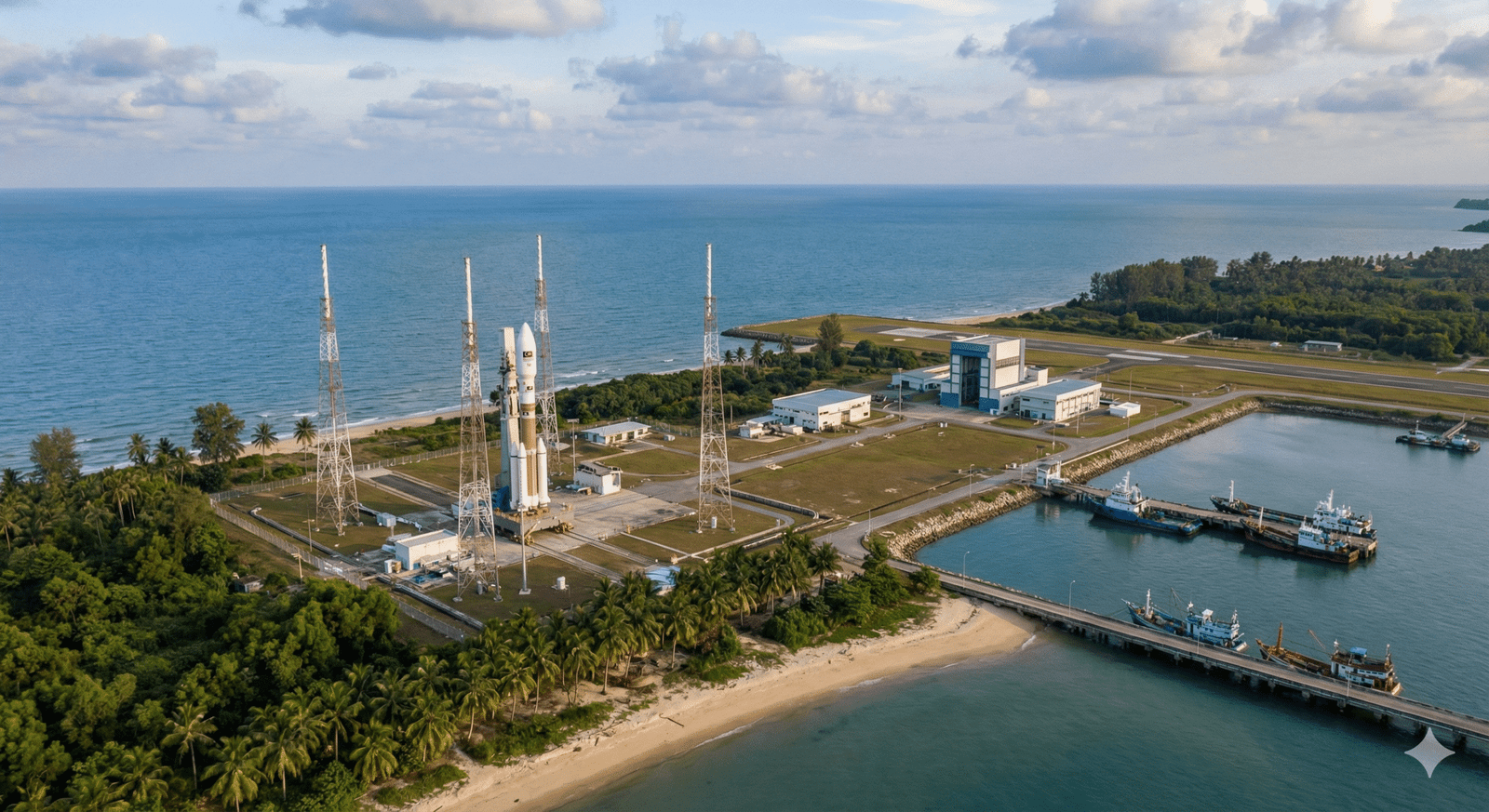
Sarawak Equatorial Spaceport is a next-generation launch site designed for small- and medium-lift rockets, supporting payloads of up to 5,000 kg to low Earth orbit. Located just 3° north of the equator on the Sarawak coastline, it offers efficient access to a wide range of orbits, including equatorial, low-inclination and ISS-compatible trajectories.
Medium-class launch vehicles (up to 5,000 kg to LEO)
Sarawak Equatorial Spaceport combines a near-equatorial coastal location with dedicated small- and medium-lift launch complexes to deliver efficient, modern orbital access. From a single site, operators gain flexible trajectories to multiple high-value orbits, supported by integrated launch services and reliable tropical weather.
Equatorial Location (3°N)
Located just 3° north of the equator on the coast of Sarawak, the spaceport benefits from Earth’s maximum rotational speed, giving rockets a powerful natural boost that improves performance and lowers launch costs.
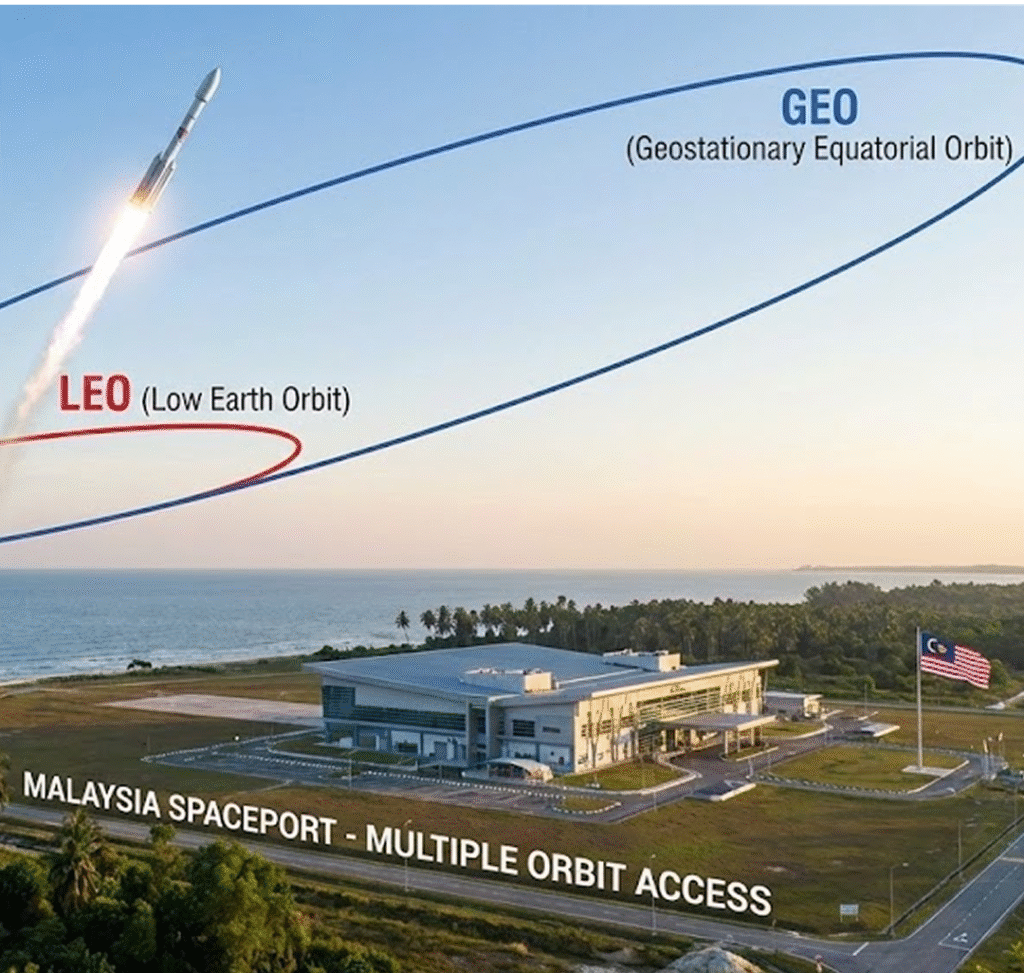
Multiple Orbit Options
From Sarawak we can reach a wide range of orbits – including equatorial, low-inclination, sun-synchronous and ISS-compatible – giving satellite operators flexibility for different mission profiles and constellations.
Integrated Mission Support
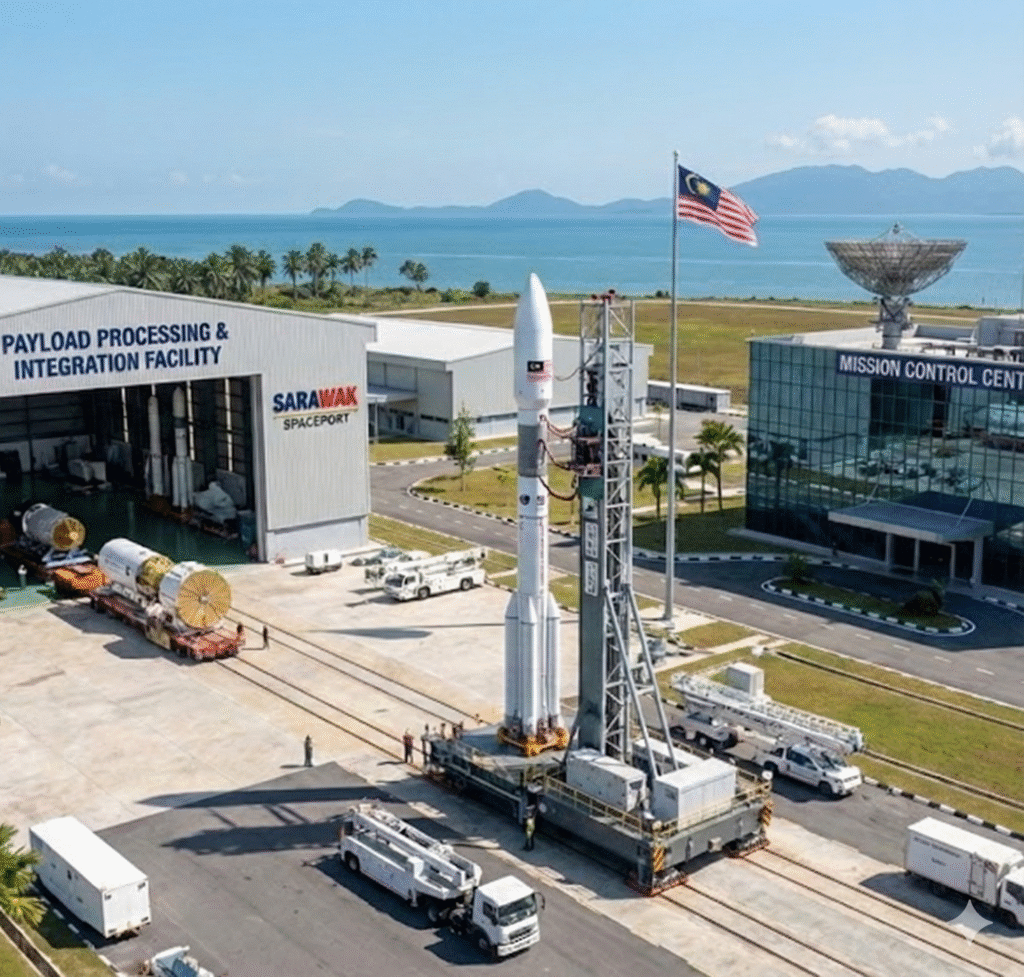
The spaceport is designed to provide end-to-end launch services, from payload processing and integration to range operations, tracking and mission control, so customers can work with a single, coordinated team.
Dedicated Launch Complexes
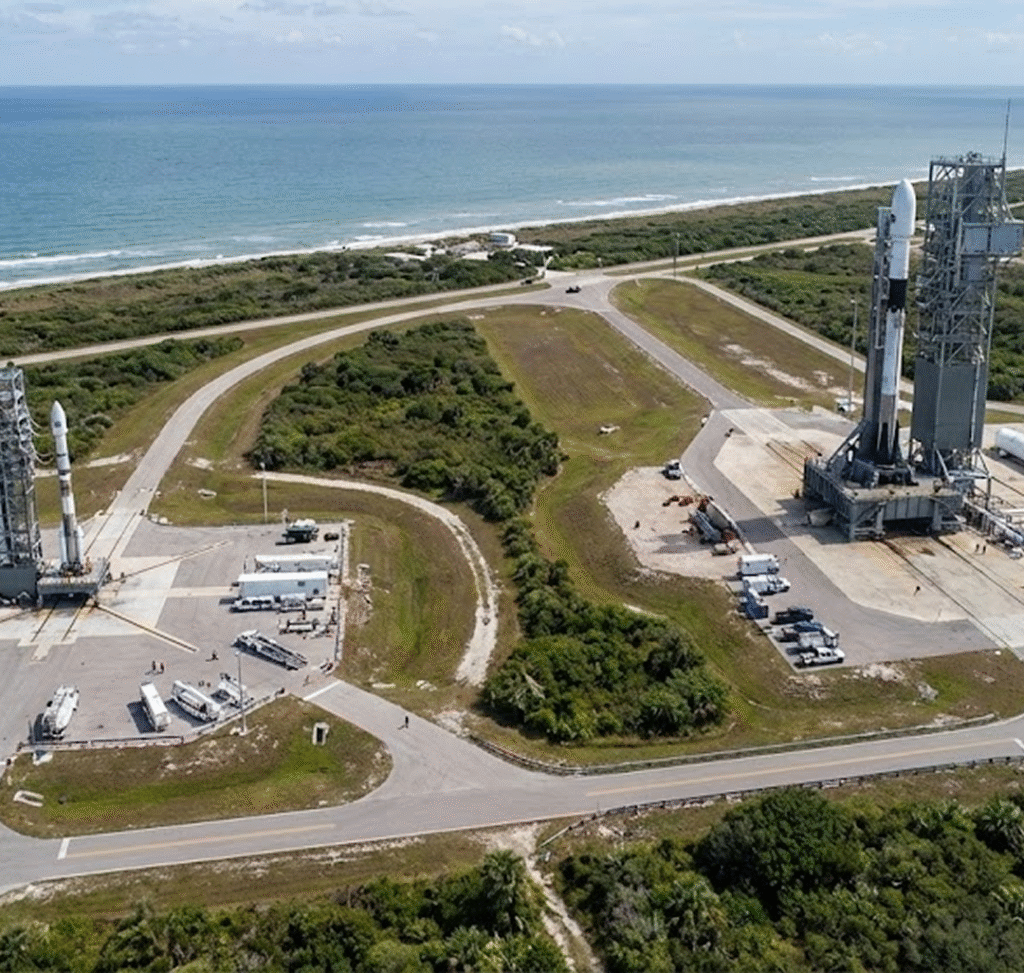
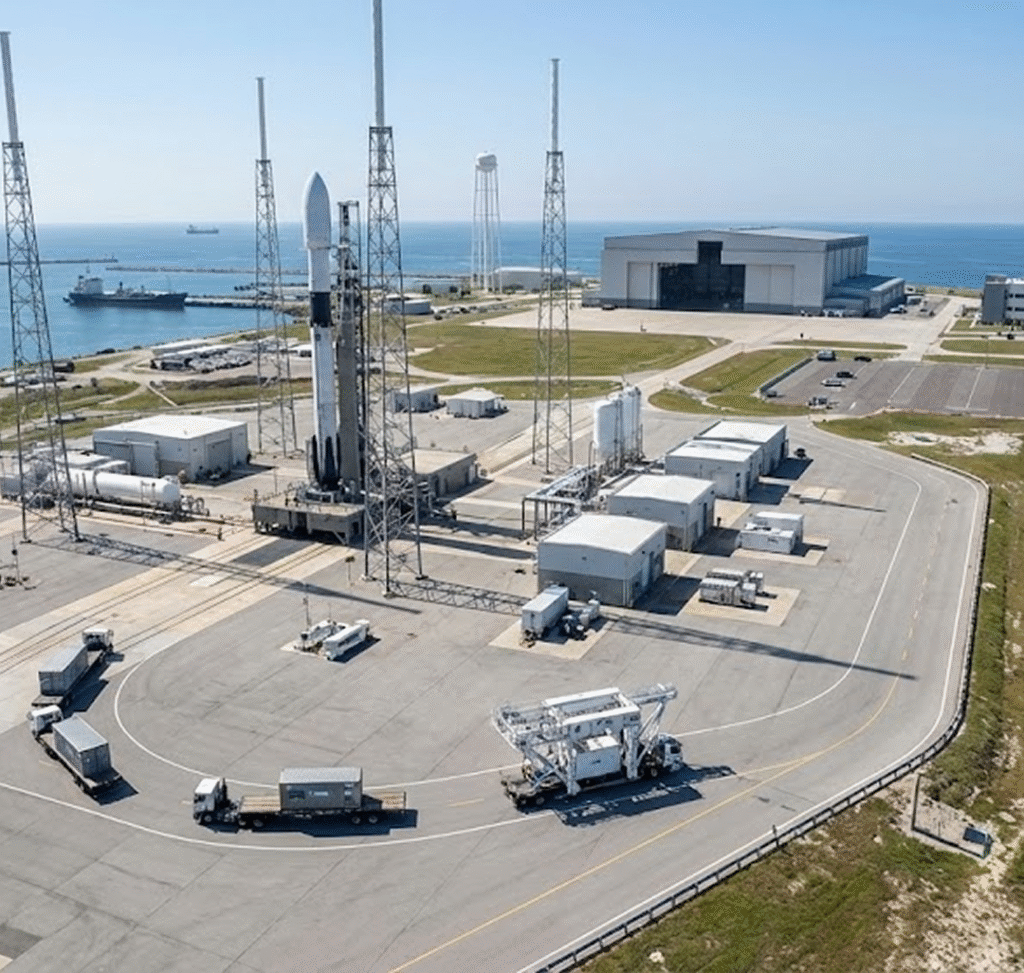
Separate, configurable pads and ground systems serve both small and medium-class launch vehicles, allowing multiple providers to operate efficiently without interfering with each other.
Stable Weather & Atmospherics
Sarawak’s tropical climate offers consistent temperatures and predictable conditions, enabling a high number of available launch days each year and reducing weather-related delays.
Small / Medium Lift Capability
The spaceport is optimised for modern small and medium-lift rockets, supporting missions from cubesats to multi-ton payloads and constellations, ideal for commercial, government and research customers.
Infrastructure & Site
300–350 acres for core facilities; long-term lease; up to 150+ launch days per year.
Transportation & Accessibility
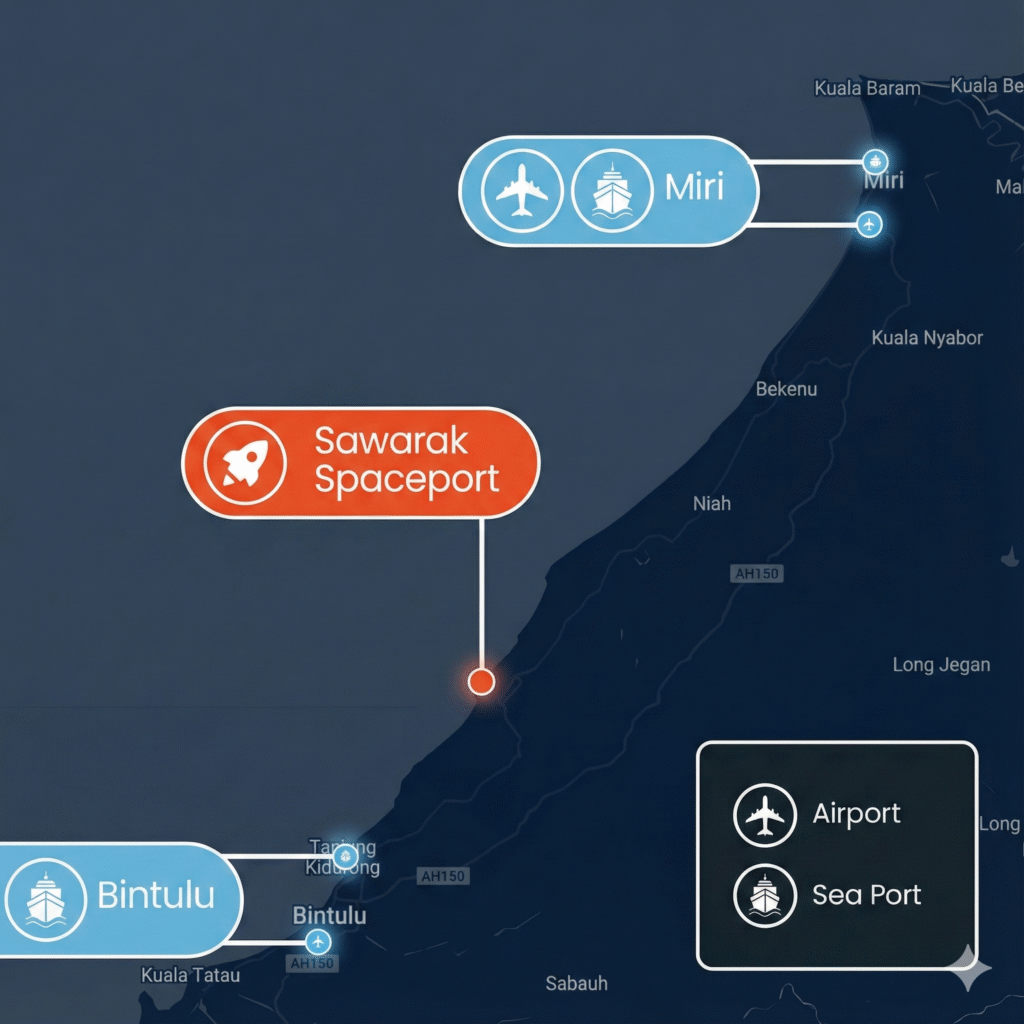
Strategically located with convenient access to both Bintulu and Miri airports and ports, the site is seamlessly connected via established regional road networks. Its proximity to major industrial and logistics hubs ensures efficient movement of goods, people, and services, supported by strong multimodal transport links.
Access to
Transportation
Infrastructure
Supported by several regional airports — primarily Bintulu Airport and Miri Airport Established road networks connect the proposed site to industrial zones, logistics hubs Proximity to Bintulu Port and Miri Port provides direct access for heavy cargo, maritime logistics, and international shipping operations.
Growing Need for Regional Spaceports
The global space economy is expanding rapidly, but launch infrastructure has not kept pace. A small number of aging, government-focused spaceports now serve a dramatically higher volume of satellites and launch vehicles, creating bottlenecks and long wait times. New regional spaceports are essential to provide flexible, responsive launch capacity closer to emerging space industries and customers.
Global space economy growth
Limited number of spaceports, aging government sites
Rapid growth in objects launched; need for regional launch capacity.